For years, power system analysis software was bound by the constraints of 32-bit architecture, which limited the software's usable RAM (typically to around 4 GB). As grids have evolved to include thousands of inverter-based resources, microgrids, and massive interconnected transmission networks, simulating these environments in granular detail became nearly impossible without crashing or experiencing severe lag.
Elias blinked. He hadn't even finished his coffee. He pulled up the result plots. The voltage dips were smooth, the data points dense and high-resolution. The fault ride-through capability was verified. But there was a new problem. digsilent powerfactory 2022 x64 better
DIgSILENT PowerFactory 2022 x64 provides the memory capacity, computational speed, and specialized toolsets required by modern electrical engineers. By upgrading to the 64-bit platform, utilities, consultants, and researchers can simulate larger networks, analyze complex renewable integration scenarios faster, and automate tedious workflows with Python. It remains a definitive tool for ensuring grid reliability in an evolving energy landscape. For years, power system analysis software was bound
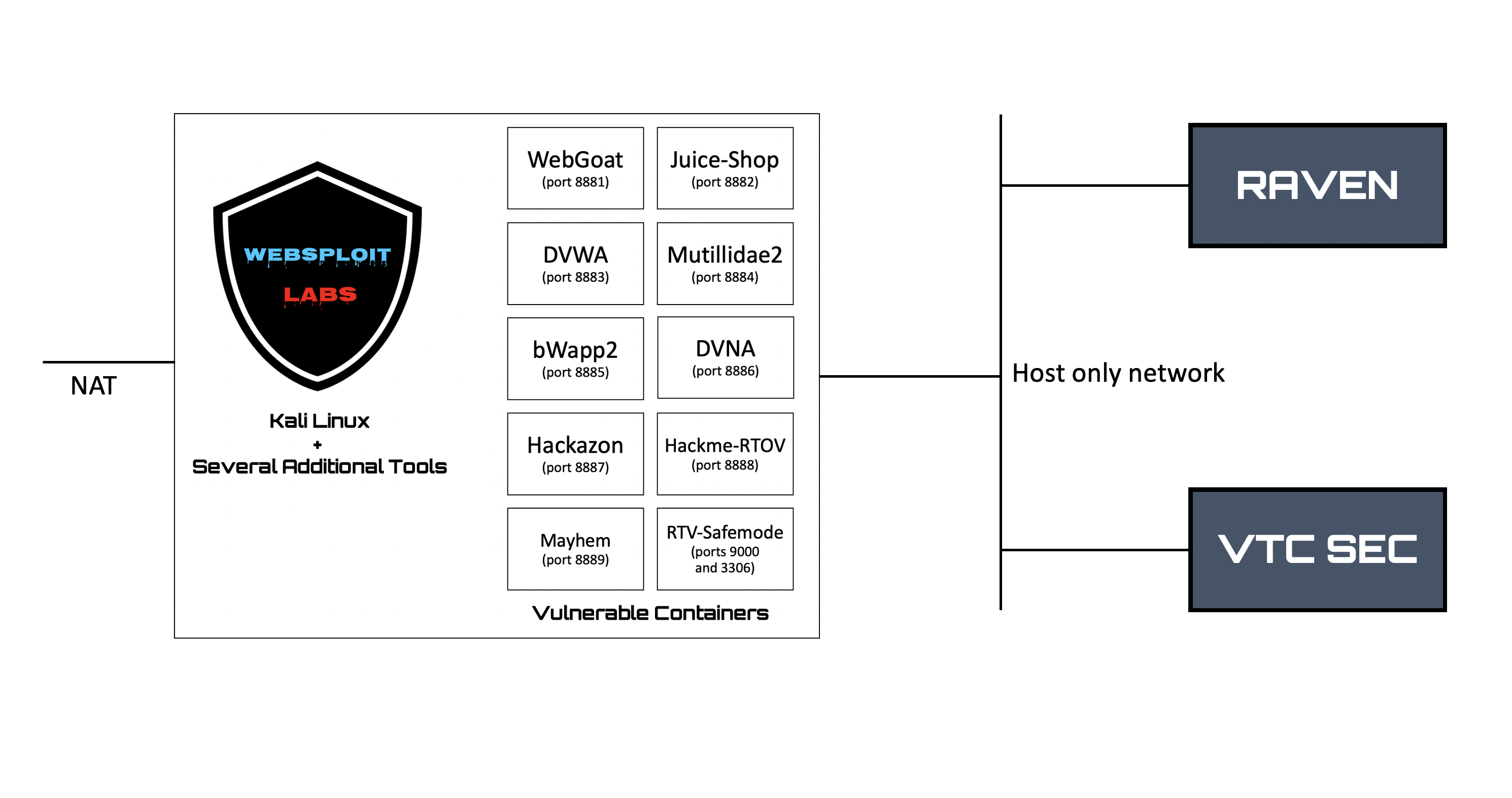
Kali + Additional Tools + Vulnerable Applications in Docker containers...
A vulnerable VM that you will use to perform a full assessment (from reconnassaince to full compromise)
Another vulnerable VM that you will use to perform a full assessment (from reconnassaince to full compromise)
This video explains how to setup the virtual machines in your system using Virtual Box.
The diagram below shows the lab architecture with WebSploit Full version, Raven, and VTCSEC. The VMs were created in Virtual Box. It is highly recommended that you use Virtual Box. However, if you are familiar with different virtualization platforms, you should be able to run the VMs in VMWare Workstation Pro (Windows), VMWare Fusion (Mac), or vSphere Hypervisor (free ESXi server).
You should create a VM-only network to deploy your vulnerable VMs and perform several of the attacks using WebSploit (Kali Linux), as shown in the video above. You can configure a separate network interface in your WebSploit VM to connect to the rest of your network and subsequently the Internet. Preferably, that interface should be in NAT mode.
Stay in Touch with Omar!