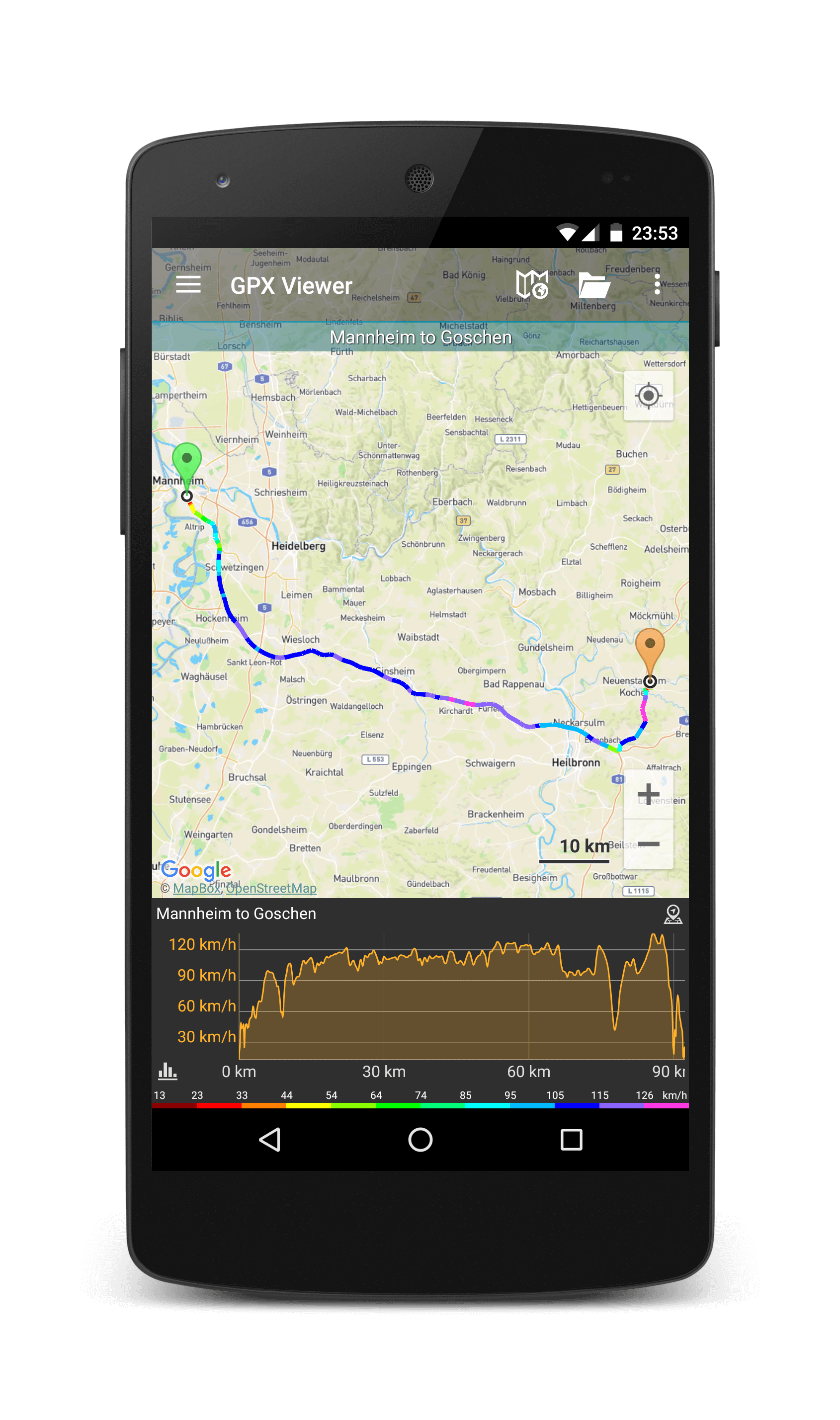
GPX Viewer shows tracks, routes and waypoints from gpx and kml files.


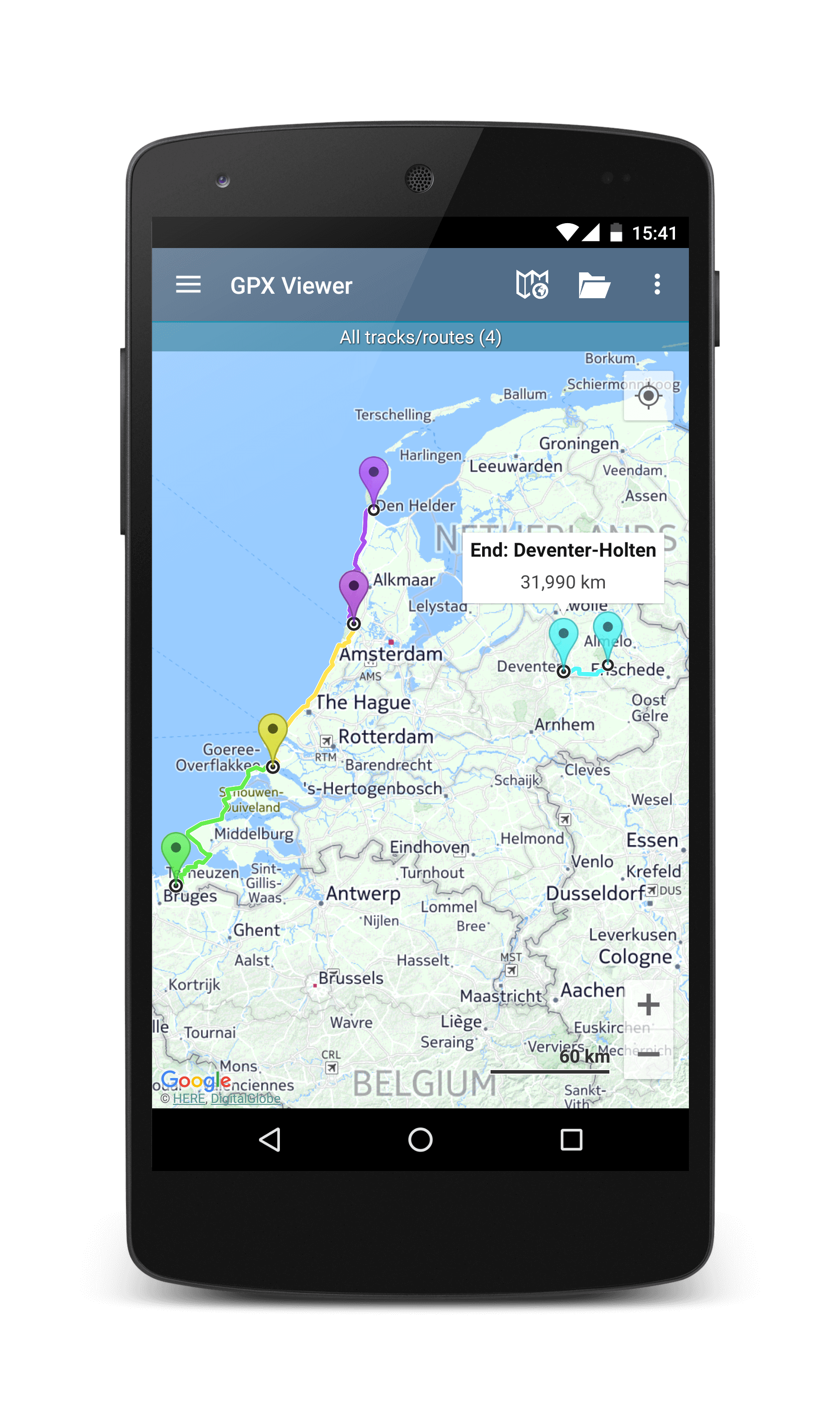
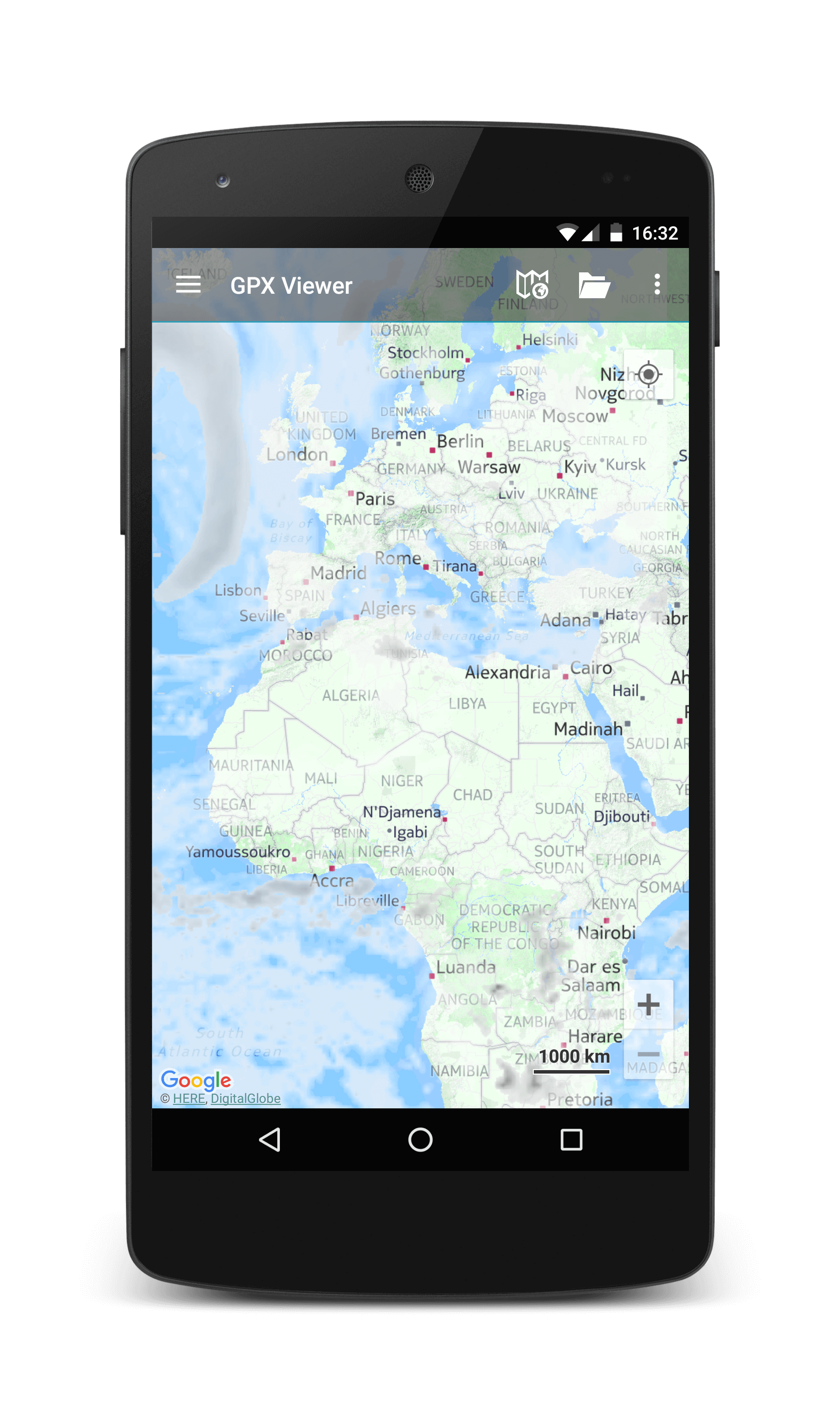
View tracks, routes and waypoints on lots of map types. Show current weather with OpenWeatherMap or use custom WMS maps.
Review detailed information and statistics about tracks, routes and waypoints or see photos linked to them.
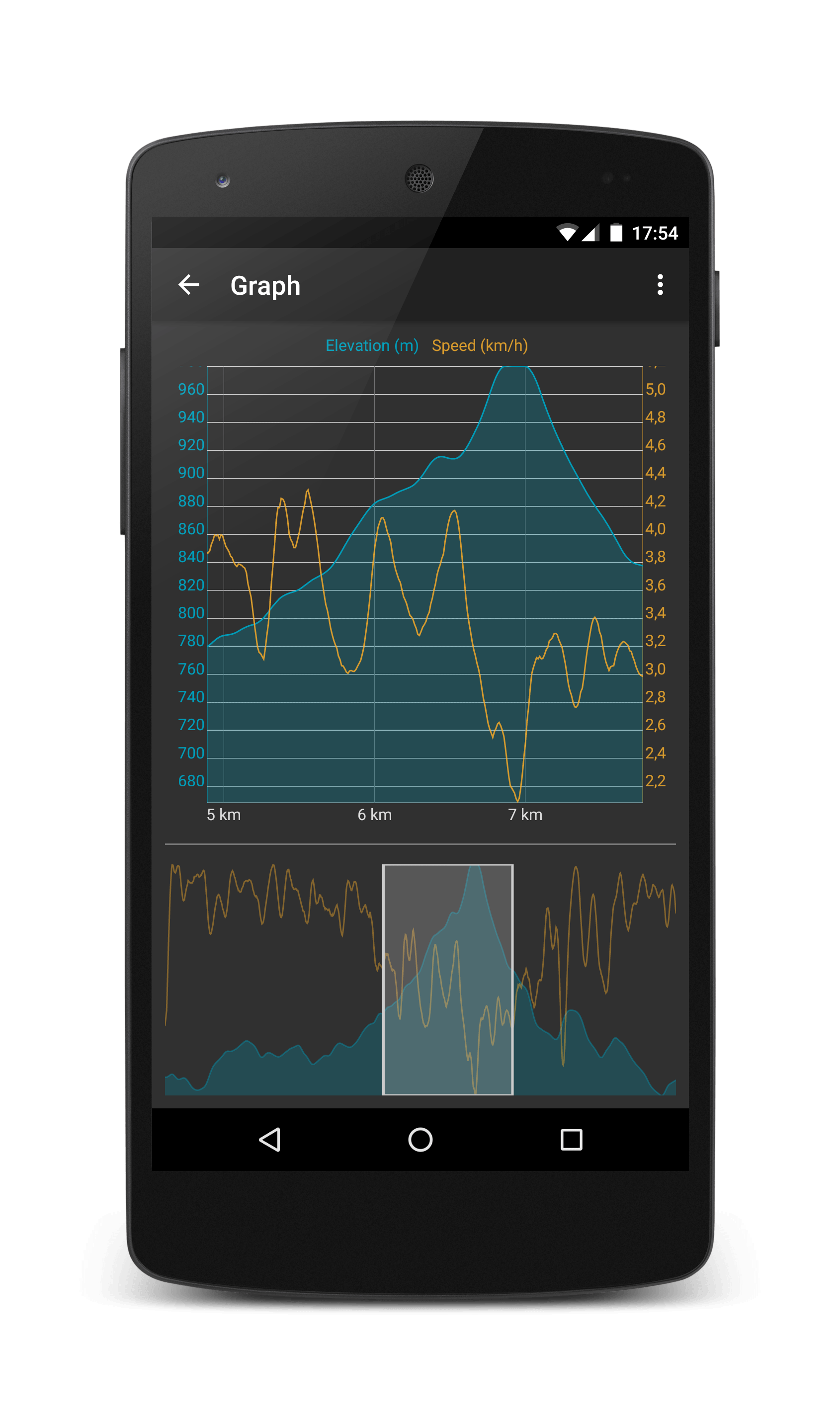
Evaluate tracks with elevation, speed, cadence, power, heart rate and air temperature graphs. Evaluate them also in distance or time.
Historically, the Japanese entertainment market was so large and lucrative domestically that talent agencies and production studios saw little need to adapt to global audiences. This led to strict copyright enforcement, geo-blocking, and a slow transition to digital streaming platforms—a hesitation that allowed the South Korean entertainment industry (Hallyu) to capture global market share aggressively. Furthermore, the anime industry faces ongoing scrutiny regarding low wages and grueling working conditions for animators.
The numbers are staggering: the global anime industry is now a market worth over $25 billion, with 15% growth recorded in 2024 alone. Foreign revenue increasingly drives the entire sector. This momentum has catapulted anime into the mainstream, with a 2025 Crunchyroll-NRG report finding that anime is especially popular among 13- to 28-year-olds (54%)—outpacing the NFL (48%) and K-pop superstar group BTS (39%) for attention. Historically, the Japanese entertainment market was so large
The golden age of Japanese games, from the late 1980s to the late 1990s, produced franchises that remain cultural touchstones: Super Mario , The Legend of Zelda , Final Fantasy , Pokémon , Resident Evil , and Metal Gear Solid . These titles were not merely successful products; they represented a distinctive design philosophy that prioritized gameplay innovation, artistic vision, and narrative depth. As gaming historian Marc Steinberg has documented, the relationship between anime, toys, and video games in Japan created a unique consumer culture that informed global media practices. The numbers are staggering: the global anime industry
The roots of oshikatsu can be traced back to the 1980s with the initial rise of Japanese idol culture. The term “oshi” originated as slang from fans of idol groups, spreading through anonymous message boards. Today, oshikatsu has become a form of self-care and identity-building. From “itabags” (bags lined with badges) to themed cafés and even “oshi weddings,” oshikatsu represents a new kind of love, one built on devotion to a figure—be it a real idol or a virtual character. The golden age of Japanese games, from the
View tracks, routes and waypoints from gpx, kml, kmz and loc files with GPX Viewer on many map types.