Low is famously split into two distinct sides:
It influenced post-punk, new wave, and electronic music for decades to come, moving from the funk-laden rock of Station to Station toward a cold, synthesized aesthetic. 2. The 2017 Remastering Process: A New Career in a New Town David Bowie - Low -2017- -FLAC 24-192-
Introduction David Bowie’s Low, originally released in January 1977 as the first of the Berlin Trilogy, underwent numerous reissues and remasterings; the 2017 high‑resolution FLAC 24‑bit/192 kHz transfer presents this landmark album with exceptional clarity and weight. Low stands as a crucial pivot in Bowie’s career: a rupture from glam and soul into fragmented, modernist experimentation that fused rock, electronic textures, and cinematic instrumentalism. The 2017 FLAC 24‑192 edition doesn’t change the music’s intent, but it alters how the listener perceives detail, space, and the album’s austere architecture. Low is famously split into two distinct sides:
This article explores the enduring significance of Low , the impact of the (often packaged in A New Career in a New Town [1977–1982] box set), and why the FLAC 24-192 format is essential for appreciating the album's intricate production. 1. The Anatomy of Low (1977): Breaking the Mold Low stands as a crucial pivot in Bowie’s
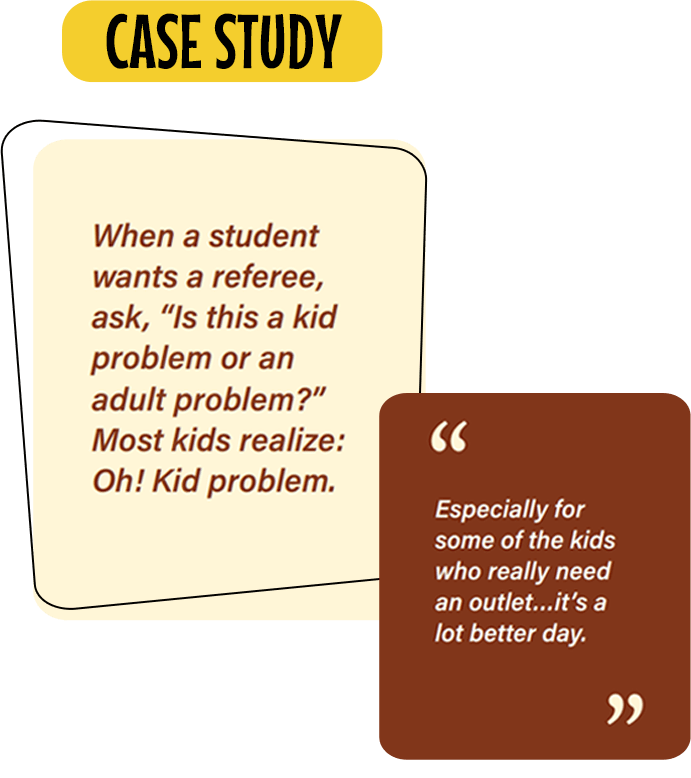
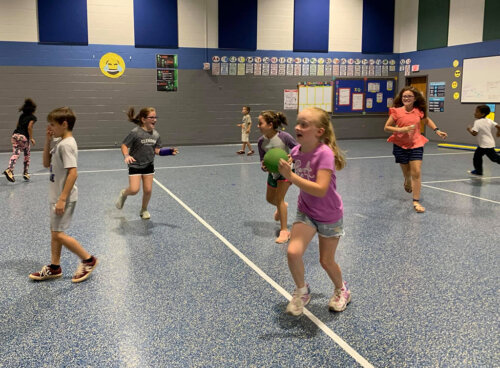
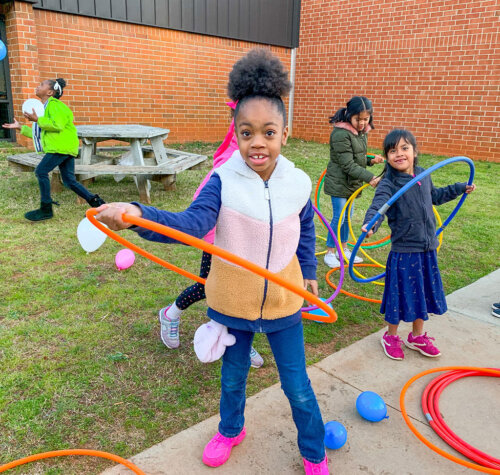
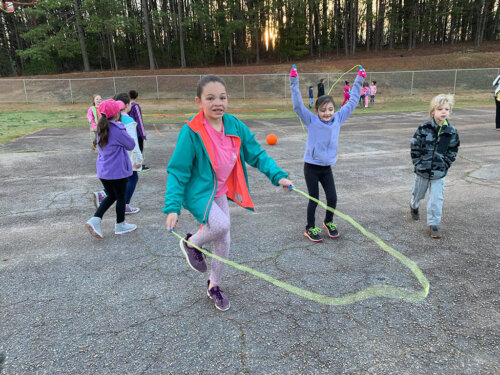
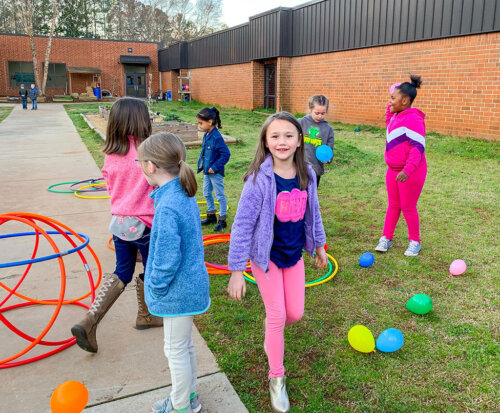
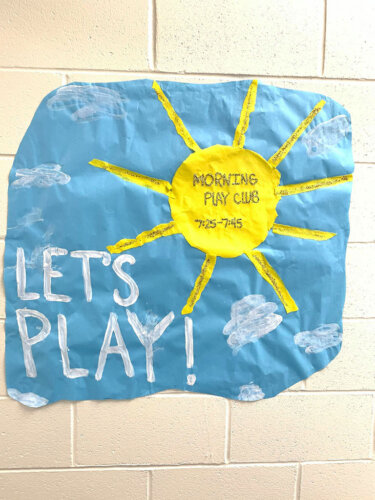
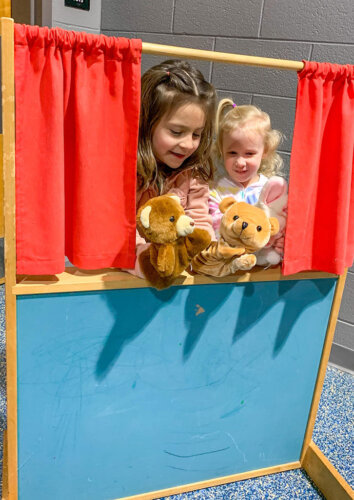
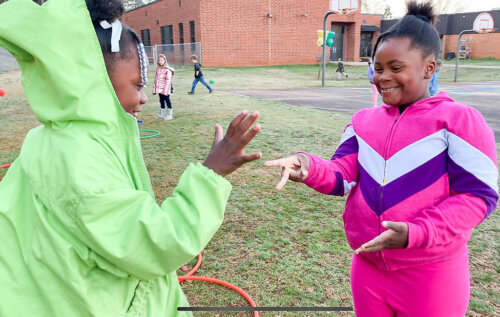
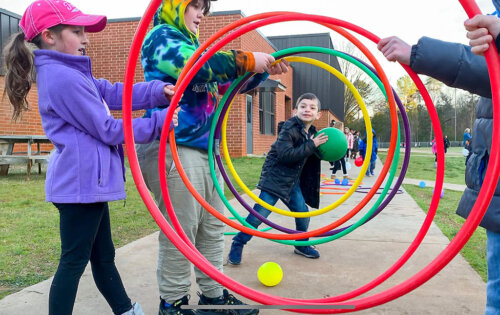
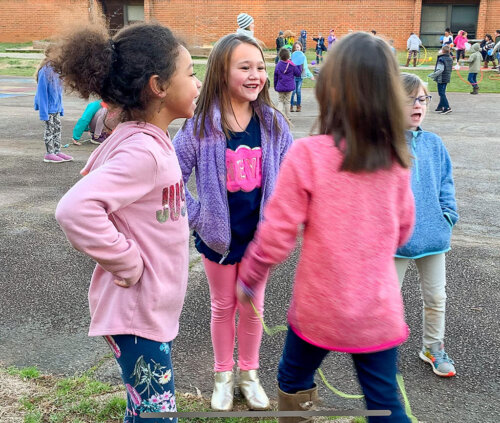
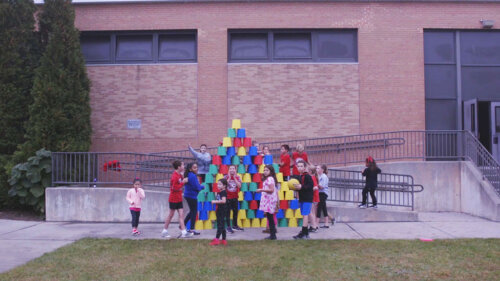
Students at Discovery Ridge Elementary in O’Fallon, Missouri, were tattling and fighting more than they did before COVID and expecting the adults to soothe them. P.E. Teacher Chris Sevier thought free play might help kids become more mature and self regulating. In Play Club students organize their own fun and solve their own conflicts. An adult is present, but only as a “lifeguard.” Chris started a before-school Let Grow Play Club two mornings a week open to all the kids. He had 72 participate, with the K – 2nd graders one morning and the 3rd – 5th graders another.
Play has existed for as long as humans have been on Earth, and it’s not just us that play. Baby animals play…hence hours of videos on the internet of cute panda bears, rhinos, puppies, and almost every animal you can imagine. That play is critical to learning the skills to be a grown-up. So when did being a kids become a full-time job, with little time for “real” play? Our co-founder and play expert, Peter Gray, explains in this video produced by Stand Together.