Lecture de notes
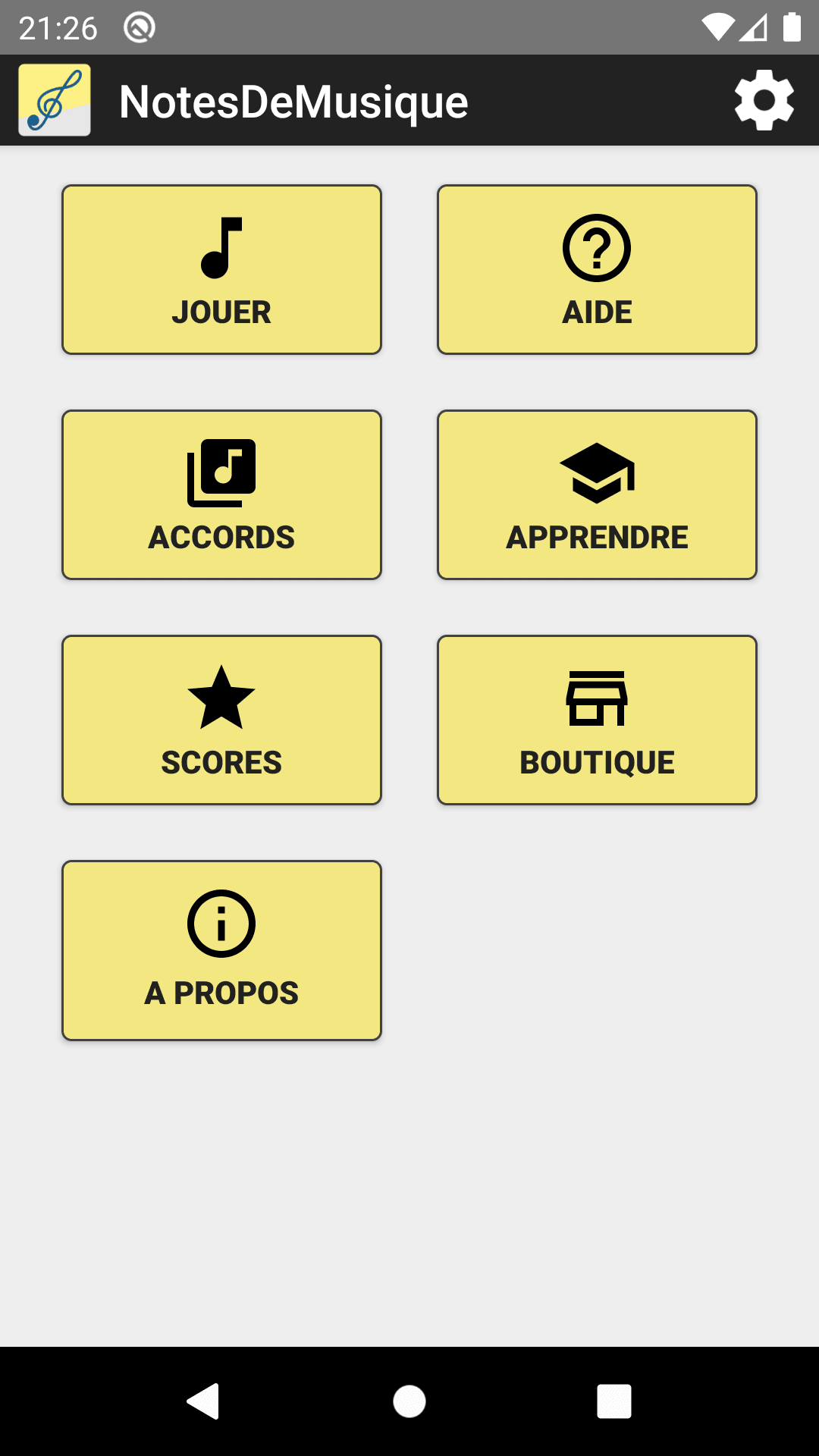
Apprenez à reconnaître les notes de musique et les accords sur une portée
Apprenez à reconnaître les notes de musique et les accords sur une portée
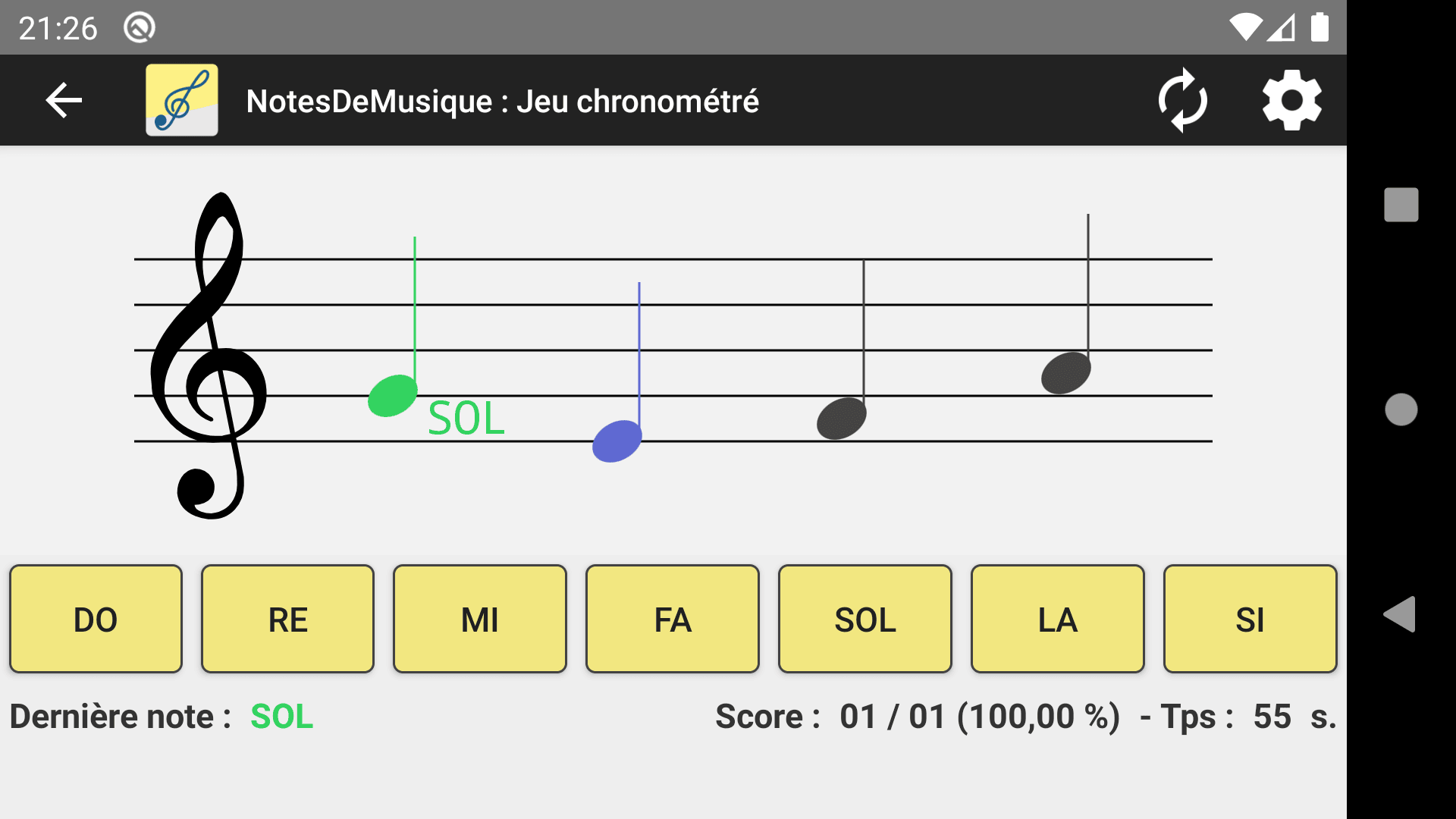
Entraînez votre oreille à reconnaître les différentes notes de musique urllogpasstxt work
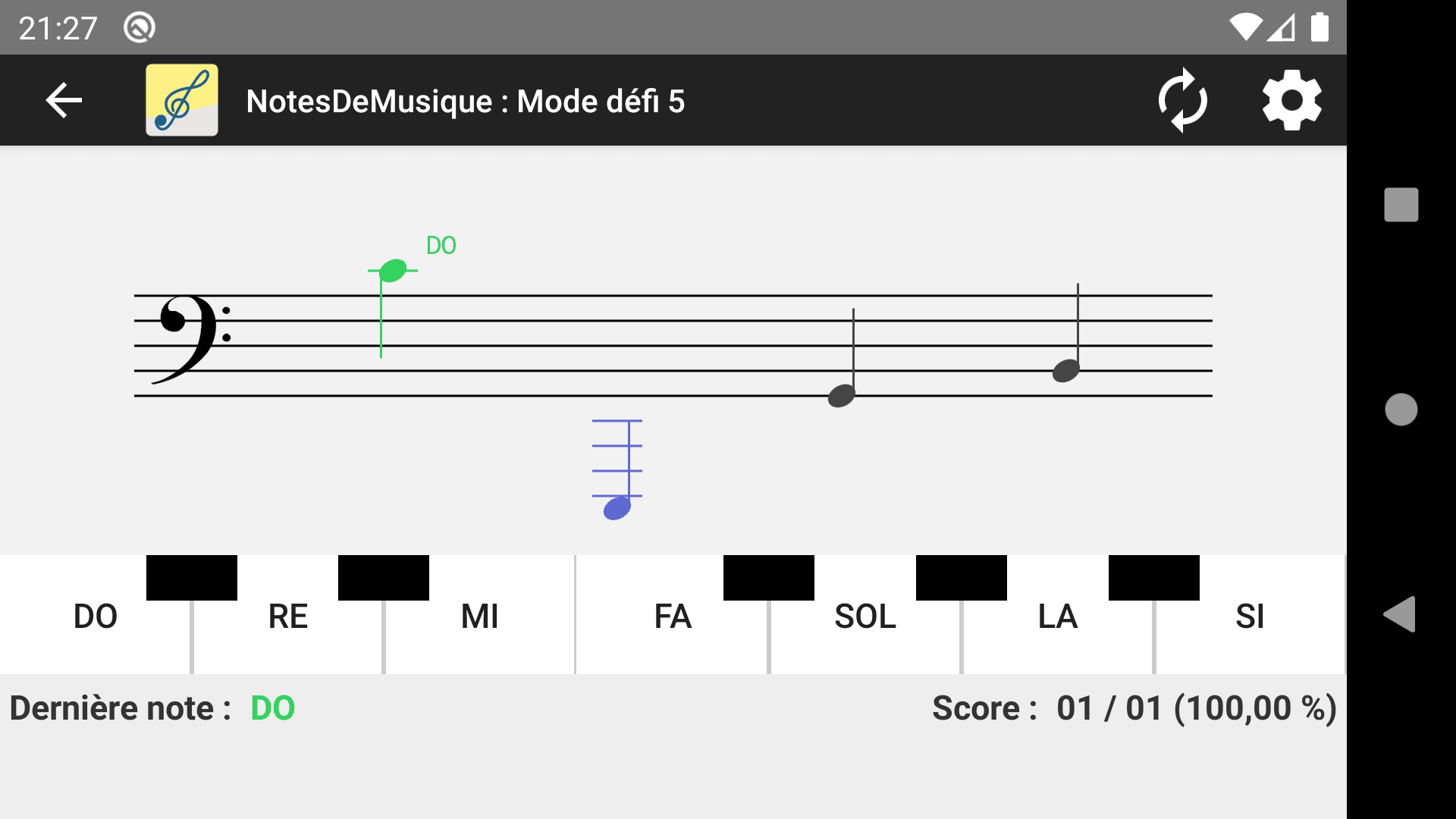
Battez vos propres scores dans différents modes de jeu The process typically begins when an unsuspecting user
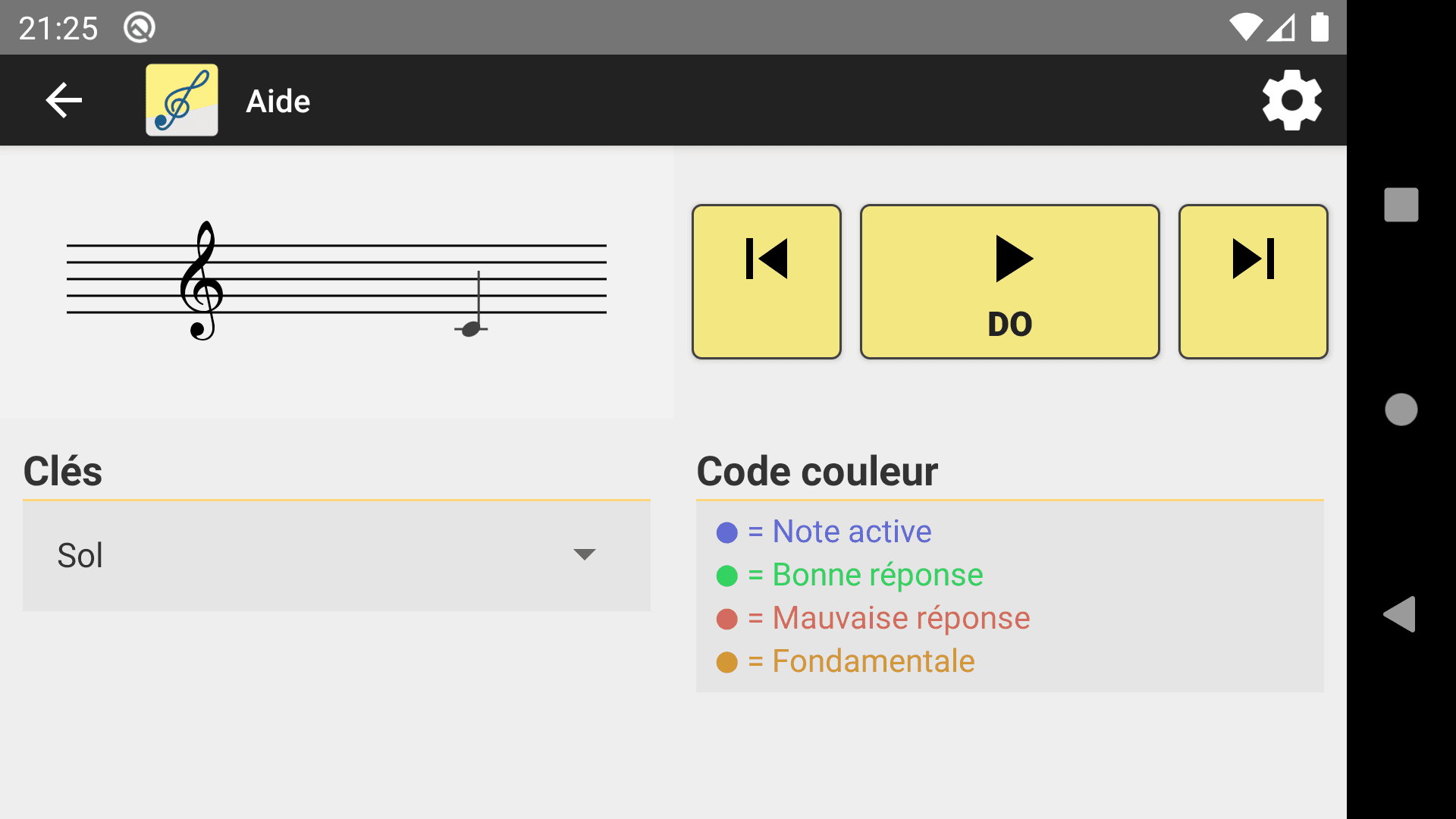
Naviguez dans la portée pour entendre le son et afficher le nom de la note If a person uses the same password for
Choisissez une clé en particulier et un nombre d'octaves pour chaque jeu
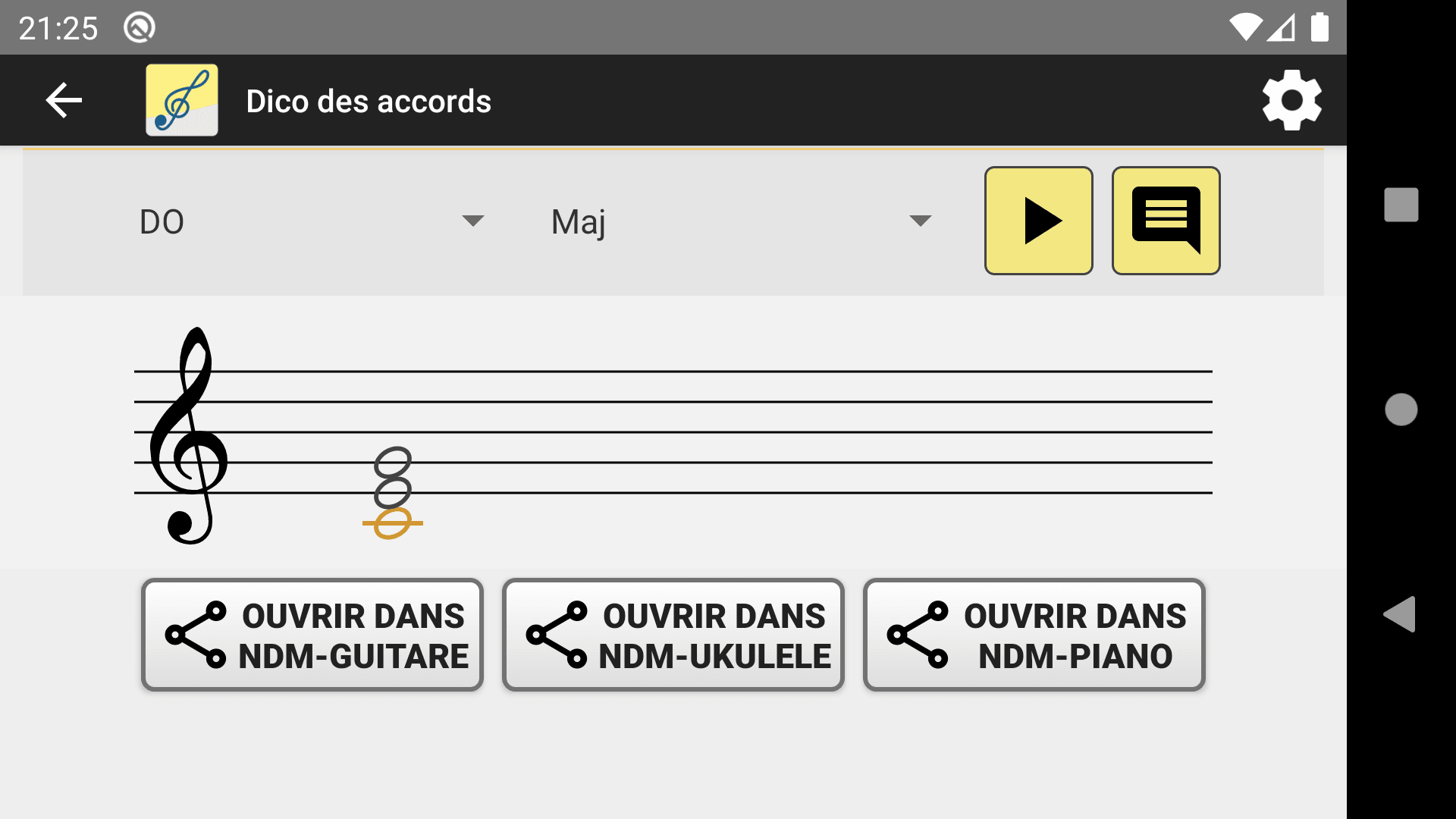
Accédez à un dictionnaire des accords très pratique
Notes De Musique vous permet d'apprendre en vous amusant à lire les notes de musique sur une partition, développer votre oreille grâce aux dictées musicales et propose également de nombreuses fonctionnalités supplémentaires.
#Solfège #Partition #JeuEducatif
Scanner le QR Code

Télécharger pour Android
Oui, l'application est gratuite. Une boutique est présente pour vous proposer des options supplémentaires.
Vous pouvez changer le nom des notes en passant par le bouton de configuration situé en haut à gauche de l'écran.
Les scores sont automatiquement enregistrés et en fin de partie, le meilleur score est affiché. Le menu Scores vous permet d'afficher les scores par type et mode de jeux.
Oui, la boutique propose une option permettant de supprimer l'affichage des publicités.
The process typically begins when an unsuspecting user downloads an info-stealing malware strain like RedLine, Racoon, or Lumma. These malwares specifically target the local database files of browsers (like Google Chrome) where user passwords are stored.
. If a person uses the same password for their LinkedIn account and their bank, a breach at LinkedIn results in a valid credential pair that can be "stuffed" into the bank’s login page. Even though the success rate for these attacks is low (around 0.1%), the massive scale of these files—sometimes containing billions of entries—makes them highly effective for attackers. How to Protect Yourself
This is not a new vulnerability class. In fact, CVE-2011-2153 documented a case in the SmarterTools SmarterStats 6.0 web server, where the Login.aspx page supported URLs containing txtUser and txtPass parameters directly in the query string. The official CVE record states that this "makes it easier for context-dependent attackers to discover credentials by reading web-server access logs, web-server Referer logs, or the browser history, related to a 'cross-domain Referer leakage' issue". This fourteen-year-old vulnerability highlights the long-standing nature of this problem—yet it continues to plague modern web applications.
Once a text file has been structured in this manner, it can be weaponized across several types of automated cyberattacks: 1. Credential Stuffing
Professionals performing vulnerability assessments may generate these logs to document which internal services have weak or default credentials. 3. Security and Risks
The process typically begins when an unsuspecting user downloads an info-stealing malware strain like RedLine, Racoon, or Lumma. These malwares specifically target the local database files of browsers (like Google Chrome) where user passwords are stored.
. If a person uses the same password for their LinkedIn account and their bank, a breach at LinkedIn results in a valid credential pair that can be "stuffed" into the bank’s login page. Even though the success rate for these attacks is low (around 0.1%), the massive scale of these files—sometimes containing billions of entries—makes them highly effective for attackers. How to Protect Yourself
This is not a new vulnerability class. In fact, CVE-2011-2153 documented a case in the SmarterTools SmarterStats 6.0 web server, where the Login.aspx page supported URLs containing txtUser and txtPass parameters directly in the query string. The official CVE record states that this "makes it easier for context-dependent attackers to discover credentials by reading web-server access logs, web-server Referer logs, or the browser history, related to a 'cross-domain Referer leakage' issue". This fourteen-year-old vulnerability highlights the long-standing nature of this problem—yet it continues to plague modern web applications.
Once a text file has been structured in this manner, it can be weaponized across several types of automated cyberattacks: 1. Credential Stuffing
Professionals performing vulnerability assessments may generate these logs to document which internal services have weak or default credentials. 3. Security and Risks
Si vous trouvez un bug ou si vous avez des idées d'améliorations concernant Notes De Musique, n'hésitez pas à me contacter !